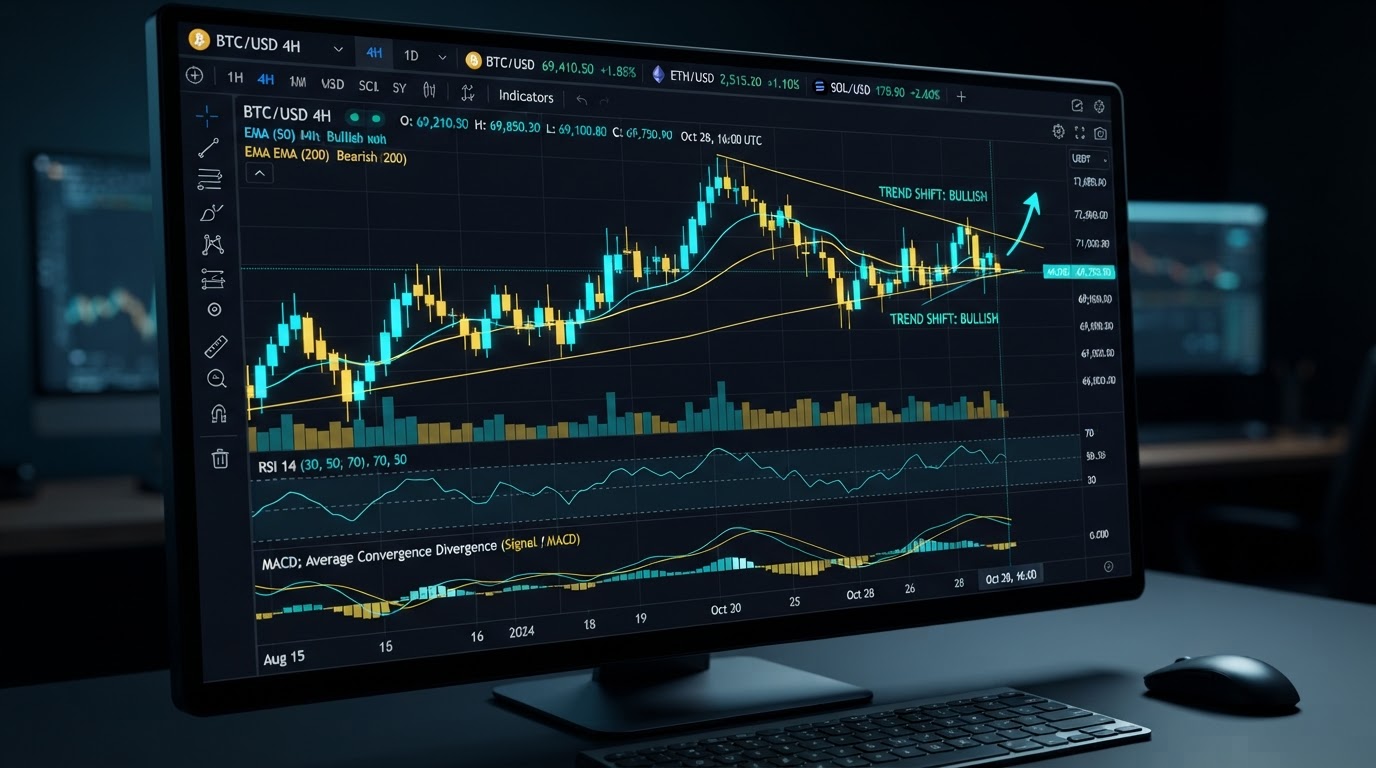
Forex volatility is one of the most important concepts every trader needs to understand. It represents the degree of price fluctuation in currency pairs and directly impacts both risk and opportunity in your trades.
What Causes Forex Volatility?
Several factors drive currency market volatility:
- Economic Data Releases: Interest rate announcements, employment reports, and GDP figures can cause significant price movements
- Geopolitical Events: Political instability or international conflicts often trigger currency fluctuations
- Central Bank Actions: Policy decisions and monetary interventions affect currency values
- Market Sentiment: Investor confidence and risk appetite influence trading volumes and prices
- Technical Levels: Support and resistance breakouts can amplify volatility
Measuring Volatility
The most common way to measure volatility is through standard deviation or Average True Range (ATR). These indicators help traders:
- Set appropriate stop losses
- Determine position sizing
- Identify trading opportunities
- Assess risk-reward ratios
Trading Strategies During High Volatility
When volatility increases, successful traders adapt their strategies:
- Widen Stop Losses: Accommodate larger price swings without getting stopped out prematurely
- Reduce Position Size: Lower risk exposure during uncertain periods
- Use Volatility Indicators: Bollinger Bands and ATR help identify entry and exit points
- Monitor Key News Events: Prepare for scheduled economic data releases
Conclusion
Understanding and respecting forex volatility is essential for long-term trading success. By measuring volatility accurately and adjusting your strategy accordingly, you can transform market uncertainty into profitable trading opportunities.