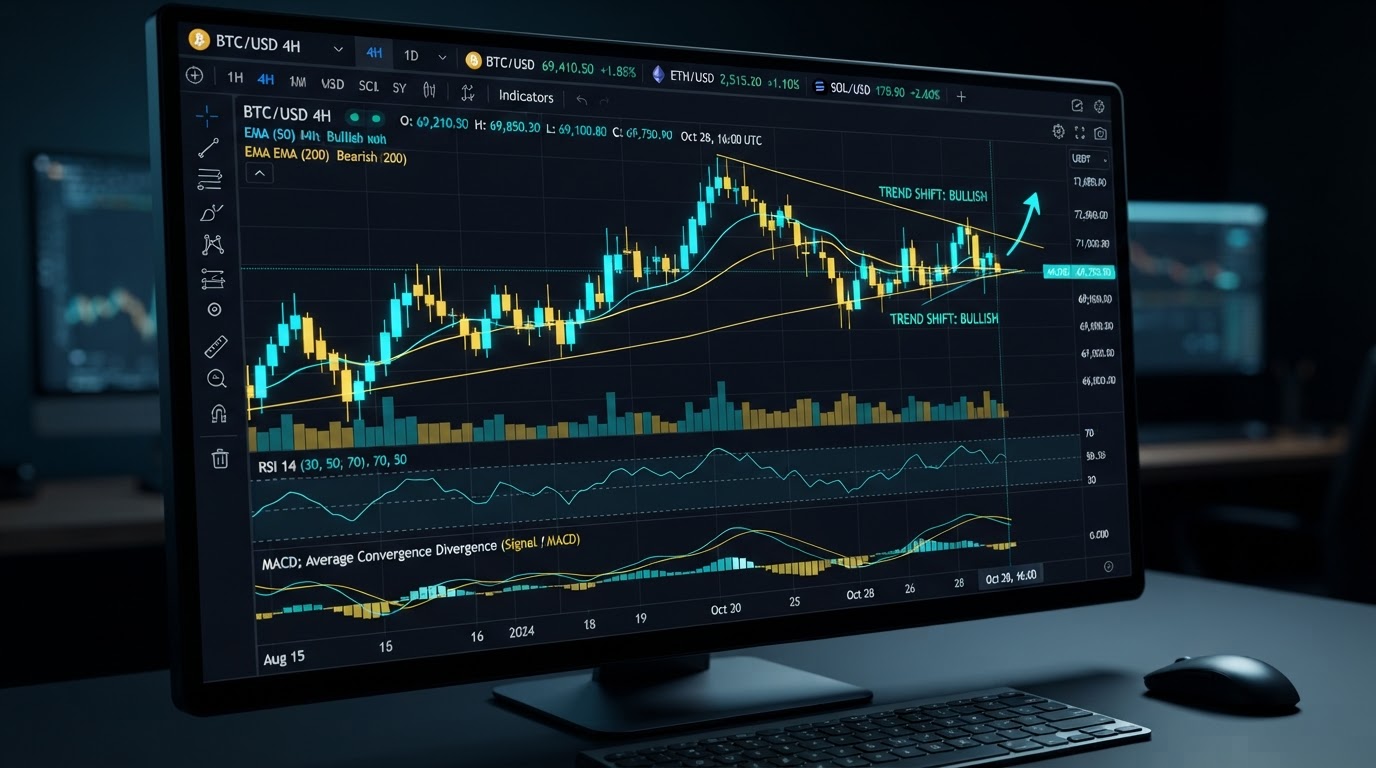
Risk management is not the most exciting aspect of trading, but it’s undoubtedly the most important. Many traders focus exclusively on finding winning trades while ignoring the principles that actually determine long-term profitability.
The Reality of Trading
Even the best traders lose money on individual trades. The difference between successful and unsuccessful traders is how much they lose on losing trades and how they manage overall portfolio risk.
Core Risk Management Principles
Position Sizing
Your position size should be determined by:
- Your Risk Tolerance: How much you can afford to lose on a single trade
- Account Size: Larger accounts can afford to take bigger absolute losses
- Trade Probability: Higher probability trades can justify slightly larger positions
- Market Volatility: More volatile markets warrant smaller position sizes
The golden rule: Never risk more than 1-2% of your total account on a single trade.
Stop Loss Placement
Strategic stop loss placement is non-negotiable:
- Technical Levels: Place stops below support or above resistance
- Volatility Consideration: Use ATR to account for normal market swings
- Time-based Stops: Consider exit strategies if price hasn’t moved as expected
- Psychological Stops: Avoid placing stops at round numbers where others might cluster theirs
Profit Taking Strategy
Letting profits run while cutting losses short is easier said than done:
- Trailing Stops: Move stops up as profits accumulate
- Partial Exits: Take profits at key resistance levels while maintaining exposure
- Profit Targets: Pre-define exit prices based on technical analysis and risk-reward ratios
- Time-based Exits: Set maximum holding periods for certain trade types
Portfolio-Level Risk
Beyond individual trades, consider:
- Maximum Daily Loss: Stop trading if you hit a predetermined daily loss limit
- Portfolio Correlation: Avoid having all positions move in the same direction
- Leverage Management: Don’t use excessive leverage regardless of market conditions
- Drawdown Limits: Monitor maximum account decline and reduce size if targets are hit
Psychological Aspects
Risk management isn’t purely technical—it’s deeply psychological:
- Fear and Greed: These emotions drive most trading mistakes
- Overconfidence: Winning streaks often precede large losses
- Revenge Trading: Don’t try to make back losses quickly through oversized trades
- Discipline: Stick to your risk management rules even when they seem overly cautious
Emergency Rules
Protect yourself with hard stops:
- Stop trading if you lose 5% of your account in a day
- Cut position size in half if you’ve had three consecutive losing trades
- Take a day off if you’re feeling emotional about trades
- Review losing trades without judgment to learn from mistakes
Conclusion
Risk management is what separates casino gambling from professional trading. By implementing these principles consistently, you’ll ensure that even in an inevitable losing period, you preserve capital for recovery. Remember: the goal isn’t to win every trade—it’s to be profitable over time.